

In 2026, the digital landscape has reached new heights, with over 72% of marketing budgets now channelled into online strategies. The explosive growth, evolving technologies, and shifting consumer behaviours make digital marketing 101 a must-have skill for success.
This comprehensive guide breaks down the essentials, from core concepts and audience targeting to SEO, content, social, email, paid channels, analytics, and future trends. Ready to master digital marketing 101? Use this resource as your roadmap for growth and competitive advantage in 2026.
Understanding Digital Marketing in 2026
Digital marketing 101 has transformed rapidly in recent years, with technology pushing the boundaries of what brands can achieve online. The year 2026 is set to be a landmark for innovation, as businesses adapt to emerging tools, shifting consumer expectations, and new privacy standards.
This section will help you navigate the essentials of digital marketing 101 in 2026, from foundational concepts to the latest trends and data shaping the industry.
The Evolution of Digital Marketing
The journey of digital marketing 101 began with a shift from traditional media, like print and TV, to digital platforms. Over the past decade, marketing budgets have steadily moved online, with over 72% now dedicated to digital channels.
Key milestones include the explosive growth of social media, the dominance of mobile devices, and the integration of artificial intelligence into marketing workflows. For example, global digital ad spend is expected to surpass $700 billion in 2025, highlighting the scale of this transformation.
Emerging technologies such as AI, automation, and evolving privacy regulations have driven much of this change. Marketers must stay agile, as the pace of innovation continues to accelerate in digital marketing 101.
Core Concepts and Terminology
Understanding digital marketing 101 requires clarity on core concepts and industry language. Digital marketing refers to all online activities aimed at promoting brands, products, or services. It includes both inbound (attracting customers through content) and outbound (actively reaching out to prospects) strategies.
Key terms you’ll encounter include:
- PPC (Pay-Per-Click): Paid ads on search engines and social platforms.
- SEO (Search Engine Optimisation): Improving visibility in organic search results.
- SEM (Search Engine Marketing): Encompasses both SEO and paid search.
- Content Marketing: Creating valuable content to engage audiences.
- Analytics: Measuring and analysing performance data.
The digital marketing funnel guides prospects from awareness, through consideration, to conversion, forming the backbone of digital marketing 101 strategies.
Traditional vs Digital Marketing
Comparing traditional and digital marketing 101 approaches helps clarify their unique strengths.

Digital marketing 101 offers cost-effectiveness, advanced targeting, and immediate feedback. Unlike traditional channels, digital platforms allow brands to interact directly with their audience, fostering engagement and loyalty.
For example, responding to customer queries on social media creates a two-way dialogue, a feature rarely possible with print or broadcast media.
The Digital Marketing Ecosystem
The digital marketing 101 ecosystem is built on a network of interconnected channels. These include websites, search engines, social media, email, and paid advertising platforms.
A unified strategy ensures that messaging is consistent across all touchpoints, maximising impact. Integration across these channels is vital for delivering a seamless brand experience and optimising return on investment.
Cross-channel campaigns, where content is promoted across multiple platforms, often yield higher ROI. For instance, a coordinated effort combining email, social, and paid search can boost engagement and conversions in digital marketing 101.
Key Digital Marketing Statistics for 2026
Statistics are crucial for understanding the direction of digital marketing 101. Over 72% of total marketing spend is now allocated to digital channels, highlighting their dominance. Global digital ad investment is set to exceed $700 billion in 2025, underlining the scale of opportunity.
AI and automation are increasingly used to manage complex campaigns, while privacy and data protection remain top priorities. For a deeper dive into the numbers shaping digital marketing 101, explore Digital Marketing Statistics 2025, which provides the latest data on trends and spending.
Staying informed on these statistics ensures your digital marketing 101 strategy is grounded in current industry realities and prepared for future shifts.
Step 1: Defining and Understanding Your Audience
Understanding your audience is the cornerstone of digital marketing 101. In 2026, as competition intensifies online, businesses must know precisely who they are targeting. By investing in audience research, you lay the groundwork for campaigns that resonate, drive engagement, and ultimately deliver results. This step ensures every message, channel, and strategy is aligned with real customer needs.
The Importance of Audience Research
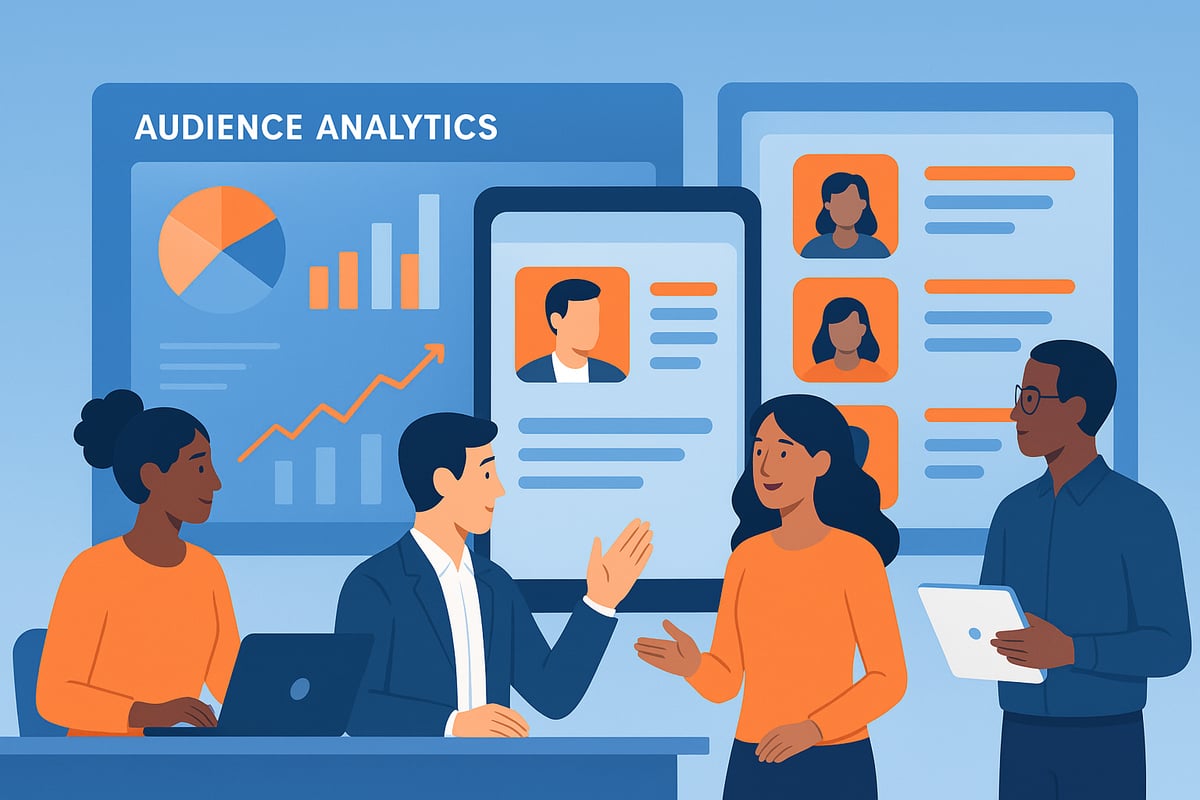
Audience research is fundamental to digital marketing 101 because it informs every strategic decision. Without a clear understanding of your target market, even the most creative campaigns can miss the mark. Data-driven insights reveal what your audience values, where they spend time online, and how they make decisions.
For example, using platforms like Google Analytics, social media insights, and targeted surveys helps uncover patterns in behaviour and preferences. These insights guide content creation, channel selection, and messaging. For a deeper dive into foundational concepts, explore the Digital Marketing Category Insights for more resources on audience research.
Methods for Identifying Your Audience
Successful digital marketing 101 strategies begin by defining the audience through demographics, psychographics, and behaviours. Demographic data includes age, gender, location, and income. Psychographic information covers interests, values, and lifestyles. Behavioural data tracks online actions, such as website visits and purchase history.
Creating detailed buyer personas helps marketers visualise and segment their audience. For instance, a fitness brand may focus on young adults active on Instagram, while a B2B company targets decision-makers on LinkedIn. Tailoring your approach to each persona increases the effectiveness of your campaigns.
Tools and Techniques for Audience Analysis
Modern marketers rely on a suite of tools to analyse and understand their audience. Google Analytics provides in-depth website data, while Facebook Insights reveals social engagement patterns. CRM systems track customer interactions and segment contacts for personalised outreach.
Social listening tools monitor conversations about your brand or industry, offering real-time feedback. Buzz monitoring identifies trending topics and emerging concerns. Keyword research tools highlight the questions and needs of your audience, ensuring your digital marketing 101 strategy remains relevant and focused.
Aligning Content and Channels to Audience Preferences
Matching your content and channels to audience preferences is essential in digital marketing 101. Start by identifying where your ideal customers spend their time—this might be on TikTok, LinkedIn, or via email. Next, personalise your content to address the unique interests and challenges of each segment.
For example, use email marketing to nurture leads with tailored offers, or create short-form videos on TikTok for brand awareness. The key is to meet your audience where they are, delivering value in every interaction. Consistently aligning your approach increases engagement and strengthens brand loyalty.
Step 2: Building a High-Performance Digital Presence
Creating a high-performance digital presence is a crucial step in digital marketing 101. Your online footprint is the foundation for all digital activities and shapes how customers experience your brand at every touchpoint. Let us break down the essential components needed to build and optimise your digital presence for long-term success.
Website as the Foundation
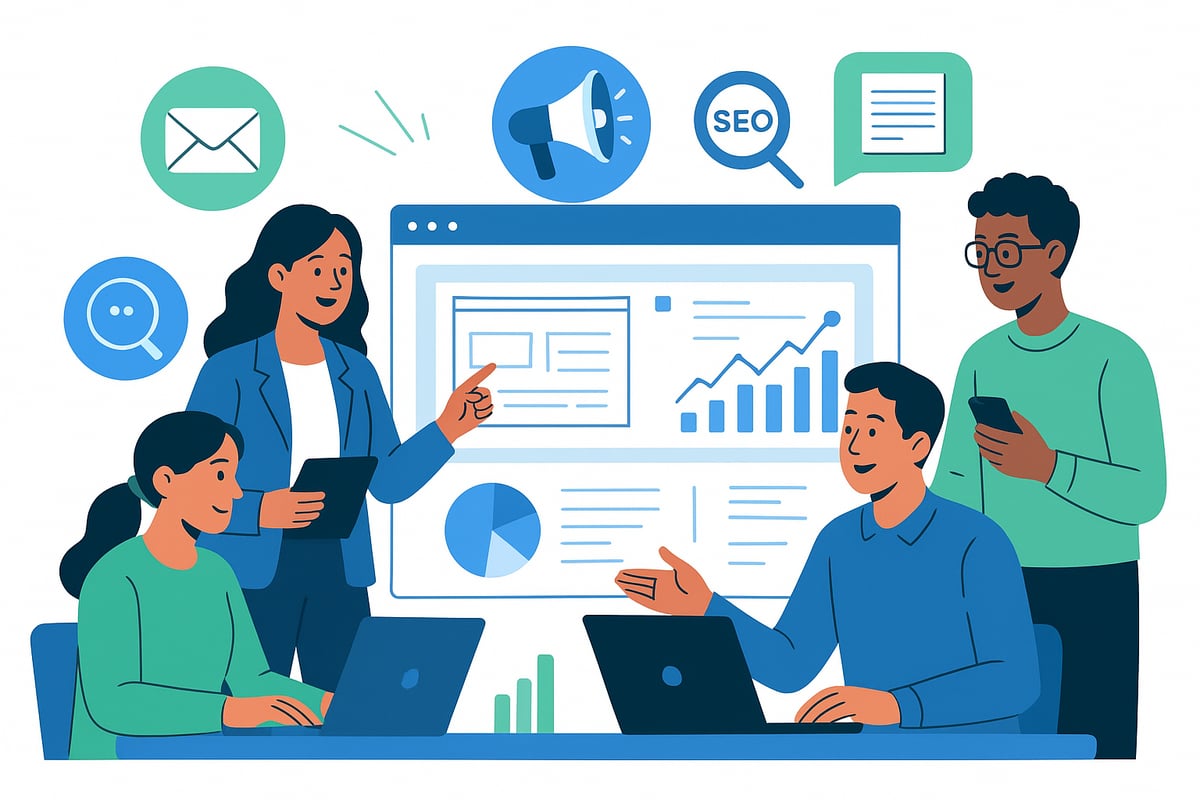
Your website is the cornerstone of digital marketing 101. It serves as the main hub for your brand, housing key content, products, and customer touchpoints. A well-designed website builds trust, encourages engagement, and provides a seamless user experience.
Key elements include:
- Fast loading times and mobile optimisation
- Clear navigation and accessible design
- Conversion-focused layouts
A poor website can lead to high bounce rates and lost opportunities. Investing in a robust site is not optional. For a deeper look at why this is crucial, read about the Importance of Online Presence.
Search Engine Optimisation (SEO) Essentials
SEO is a fundamental pillar in digital marketing 101, ensuring your website is visible to those searching for your products or services. It involves optimising on-page content, building authoritative backlinks, and maintaining technical site health.
Focus areas:
- Keyword research and intent alignment
- Meta tags, headers, and structured data
- Mobile and site speed optimisation
Higher search rankings mean more qualified traffic and increased opportunities for conversion. Consistent SEO efforts drive sustainable, long-term growth.
Content Marketing Strategy
Content marketing is at the heart of digital marketing 101. Creating valuable, relevant, and consistent content attracts, educates, and nurtures your audience across the buyer journey.
Types of content to consider:
- Blog articles and industry insights
- Engaging videos and infographics
- Podcasts and downloadable resources
Effective content builds authority and trust, positioning your brand as an industry leader. Focus on quality and relevance to maximise impact.
Social Media Marketing
Social media platforms are powerful channels in digital marketing 101, allowing brands to connect, engage, and grow their communities. Selecting the right platforms based on your audience is essential for success.
Consider these strategies:
- Organic content for brand storytelling
- Paid social campaigns for targeting and reach
- Real-time engagement through stories and live sessions
Social media fosters two-way communication, helping brands build loyalty and gather valuable feedback.
Email Marketing Fundamentals
Email marketing remains a cornerstone of digital marketing 101 due to its high ROI and direct communication. Building and segmenting your email lists enables you to deliver personalised messages that nurture leads and drive conversions.
Key practices:
- Segmentation for tailored campaigns
- Personalised subject lines and content
- Automated workflows for efficiency
Email marketing consistently outperforms many other channels, making it essential for nurturing long-term customer relationships.
Step 3: Driving Traffic and Engagement through Paid and Organic Channels
In the digital marketing 101 landscape, driving quality traffic and boosting engagement are central to sustainable growth. Both paid and organic channels play distinct yet complementary roles. Mastering their use, integration, and optimisation is essential for any marketer aiming to succeed in 2026.
Search Engine Marketing (SEM) and Paid Ads
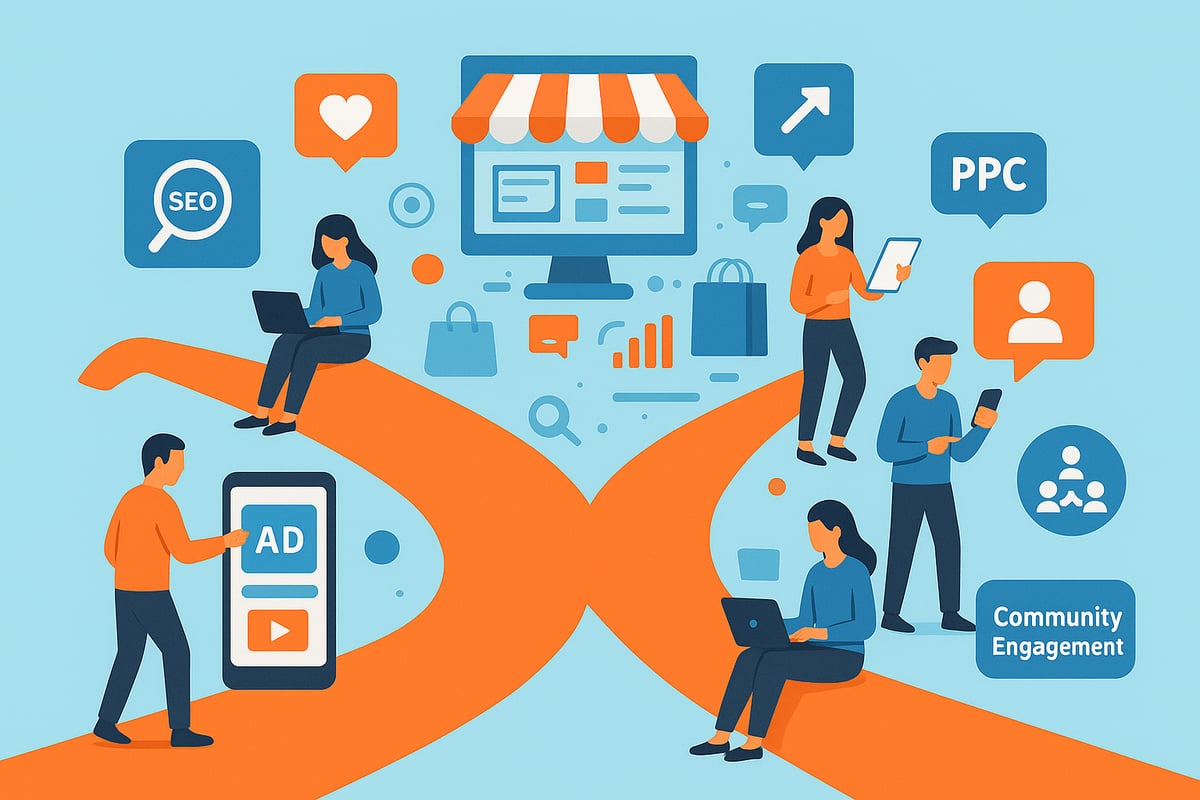
Paid advertising remains a cornerstone of digital marketing 101. Search Engine Marketing (SEM), including PPC campaigns on platforms like Google Ads and Bing, offers businesses instant visibility. With keyword targeting and strategic bidding, brands can reach their ideal audience exactly when they are searching.
For competitive markets, paid ads deliver rapid results and measurable ROI. Marketers should focus on crafting compelling ad copy, selecting high-intent keywords, and optimising landing pages for conversions. Analysing campaign data enables continuous improvement and higher efficiency.
Paid social ads on platforms such as Facebook and Instagram allow for precise audience segmentation. These channels support retargeting and lookalike audiences, helping to maximise reach and engagement.
Organic Growth Strategies
Sustainable growth in digital marketing 101 relies heavily on organic channels. SEO, content marketing, and social media offer cost-effective ways to build authority and attract long-term traffic. By consistently publishing valuable, optimised content, brands can improve search rankings and earn trust.
SEO fundamentals—on-page optimisation, technical SEO, and quality backlinks—are foundational. For those new to SEO, resources like What Is SEO and Why It Matters provide essential insights. Social media fosters engagement, while blog content targets high-intent keywords for organic discovery.
A balanced organic strategy not only reduces reliance on paid ads but also supports brand equity and customer loyalty.
Integrating Paid and Organic Efforts
The most successful digital marketing 101 strategies blend paid and organic tactics for maximum impact. By aligning messaging and creative across channels, marketers amplify reach and reinforce brand identity.
For example, top-performing organic content can be boosted with paid ads to reach a broader audience. Retargeting allows brands to re-engage users who interacted with organic posts, increasing the likelihood of conversion. Data from both paid and organic efforts should be analysed together to identify synergies and optimise spend.
Cross-channel integration ensures that every touchpoint contributes to a cohesive customer journey, driving both awareness and conversions.
Influencer and Partnership Marketing
Influencer and partnership marketing have become vital in digital marketing 101. By collaborating with influencers who resonate with your target audience, brands can tap into established trust and expand their reach.
Selecting the right influencers is key. Look for those who align with your brand values and have engaged followers in your niche. Micro-influencers, in particular, often yield higher engagement rates and authenticity.
Partnerships with complementary brands or thought leaders can also open new channels for growth. Well-structured campaigns drive awareness, generate user-generated content, and foster credibility in the market.
Community and Engagement Tactics
Building an active community is a powerful way to enhance engagement in digital marketing 101. Social platforms like Facebook Groups, Discord, or LinkedIn offer spaces for meaningful interaction.
Encouraging user-generated content, reviews, and discussions helps to create a sense of belonging. Community-driven initiatives, such as Q&A sessions or challenges, boost participation and brand loyalty.
Social proof from active users serves as a persuasive force, influencing purchasing decisions and driving conversions. Strong online communities support long-term business growth and foster genuine brand advocacy.
Step 4: Measuring, Analysing, and Optimising Your Digital Marketing
Modern digital marketing 101 is built on the principle that what gets measured, gets improved. Without robust measurement, it is impossible to know if your strategies are working or if your budget is being used wisely. This step guides you through setting clear goals, tracking performance, making data-driven decisions, leveraging automation, and ensuring compliance, so every campaign delivers maximum value.
Setting Clear Goals and KPIs
Establishing specific objectives is the cornerstone of digital marketing 101. Start by defining SMART goals: Specific, Measurable, Achievable, Relevant, and Time-bound. These goals create a solid framework for tracking progress and guiding decision-making.
Common KPIs in digital marketing 101 include:
- Website traffic
- Lead generation
- Conversion rate
- Customer acquisition cost
- Return on investment (ROI)
Align these metrics with your business objectives to ensure meaningful measurement. For example, if your aim is to increase online sales, focus on monitoring conversion rates and average order value. By setting clear benchmarks, you can evaluate campaign effectiveness and make informed adjustments that drive results.
Tracking and Analytics Tools
To succeed in digital marketing 101, you need robust analytics tools. Platforms like Google Analytics 4, Google Tag Manager, and social media analytics dashboards allow you to track website behaviour, campaign performance, and user journeys.
Set up conversion tracking to monitor form submissions, purchases, or other key actions. Use heatmaps and session recordings to understand how visitors interact with your site. By analysing these insights, you can identify high-performing channels and uncover areas for improvement. Consistent tracking ensures you never miss an opportunity to optimise your digital marketing 101 strategy.
Data-Driven Decision Making
Making sense of your data is what elevates digital marketing 101 from guesswork to strategic excellence. Review your analytics regularly to spot trends, pinpoint weaknesses, and highlight successes.
A/B testing is a practical method to refine your campaigns. Test different headlines, images, or calls to action, then implement the variations that deliver the best results. Use performance data to adjust your content, targeting, or budget allocation. This iterative approach ensures every decision is backed by evidence, maximising your marketing impact.
Leveraging Automation and AI
Automation and AI are revolutionising digital marketing 101 by streamlining processes and uncovering new insights. Marketing automation platforms can manage email campaigns, ad placements, and social scheduling, saving time and reducing manual errors.
AI-driven analytics help personalise user experiences and forecast campaign outcomes. Tools that automate lead nurturing or segment audiences enable more precise targeting. For deeper insight into how AI and automation are shaping the industry, explore Digital Marketing Trends 2026, which highlights the latest advancements in campaign management and reporting.
Compliance, Privacy, and Data Security
Trust is a non-negotiable in digital marketing 101. Adhering to regulations like GDPR and CCPA protects both your business and your customers. Use only ethical, transparent data collection practices and provide clear privacy policies.
Implement robust security measures to safeguard user data. Regularly review compliance requirements and update your processes accordingly. By prioritising privacy and security, you build long-term trust and maintain a positive brand reputation.
Step 5: Preparing for the Future—Emerging Trends and Innovations
The world of digital marketing 101 is constantly evolving, and 2026 promises to be a pivotal year. Businesses must stay ahead by embracing new technologies, adapting to changing regulations, and maintaining a mindset of continuous learning. Let us explore the most significant innovations shaping the digital marketing 101 landscape.
Artificial Intelligence and Automation in Marketing
Artificial intelligence has become a driving force in digital marketing 101. AI now powers content creation, customer segmentation, and real-time personalisation. Automated chatbots deliver instant support, while machine learning algorithms optimise ad targeting for superior ROI.
Marketers are leveraging tools such as predictive analytics and AI-powered campaign management platforms. These innovations allow brands to scale their efforts and refine their strategies with unprecedented precision.
For a deeper dive into AI-first SEO and hyper-personalisation, visit Future of Digital Marketing 2026 for expert insights on evolving strategies.
Voice, Visual, and Conversational Search
Voice assistants and visual search technologies are redefining how consumers find information. With more users speaking queries or uploading images, digital marketing 101 strategies must adapt to new search behaviours.
Optimising for featured snippets and conversational keywords is now essential. Marketers are focusing on natural language content, structured data, and visual search readiness. Brands that embrace these changes will capture traffic from rapidly growing channels.
Voice search is also influencing local SEO, making it vital to ensure business listings are accurate and content is mobile-friendly.
The Evolving Social Media Landscape
Social media continues to transform, with platforms like TikTok and Threads reshaping engagement. Digital marketing 101 now includes shoppable content, live streams, and interactive experiences.
The convergence of entertainment, commerce, and community is driving innovation. Brands are experimenting with short-form video, influencer collaborations, and real-time conversations. Read more about these trends in Marketing Trends to Watch 2026, which highlights the importance of interactive and shoppable formats.
To succeed, marketers must stay agile, test new features, and prioritise authentic connections across channels.
Privacy, First-Party Data, and Cookieless Marketing
Privacy regulations and the decline of third-party cookies are reshaping digital marketing 101. Marketers are shifting focus to first-party data, building direct relationships with customers through consent-based channels.
Strategies include:
- Growing email lists and loyalty programmes
- Investing in secure data management
- Prioritising transparency and compliance
Brands that respect user privacy and offer value in exchange for data will build trust. This approach supports long-term success in a cookieless digital environment.
The Importance of Agility and Continuous Learning
Success in digital marketing 101 requires ongoing adaptation. Platforms and algorithms change rapidly, and what works today may not work tomorrow. Marketers must invest in training, attend industry events, and stay updated on best practices.
Agility is key. Teams should embrace experimentation, monitor results, and pivot quickly when needed. Continuous learning ensures strategies remain effective and competitive in the fast-moving digital landscape.
By prioritising agility and professional development, businesses can future-proof their digital marketing 101 efforts and achieve sustained growth.