

In 2026, digital marketing and branding are transforming at an unprecedented pace, challenging organisations to adapt quickly to new technologies and consumer behaviours.
This essential guide delivers a practical roadmap for mastering digital marketing and branding, empowering businesses to build trust and thrive in a tech-driven landscape.
Discover actionable insights, proven frameworks, and expert advice designed to fuel measurable growth and loyalty.
Inside, you will explore the latest strategies on building brand identity, storytelling, trust, multichannel engagement, content marketing, SEO, social media, reputation management, and future trends.
The Foundations of Digital Marketing and Branding
In 2026, digital marketing and branding have become inseparable pillars for business success. The pace of change in technology, consumer behaviour, and media consumption means the rules of engagement are constantly evolving. Understanding these foundations is the first step towards building a resilient, future-proof brand.
Defining Digital Marketing and Branding in 2026
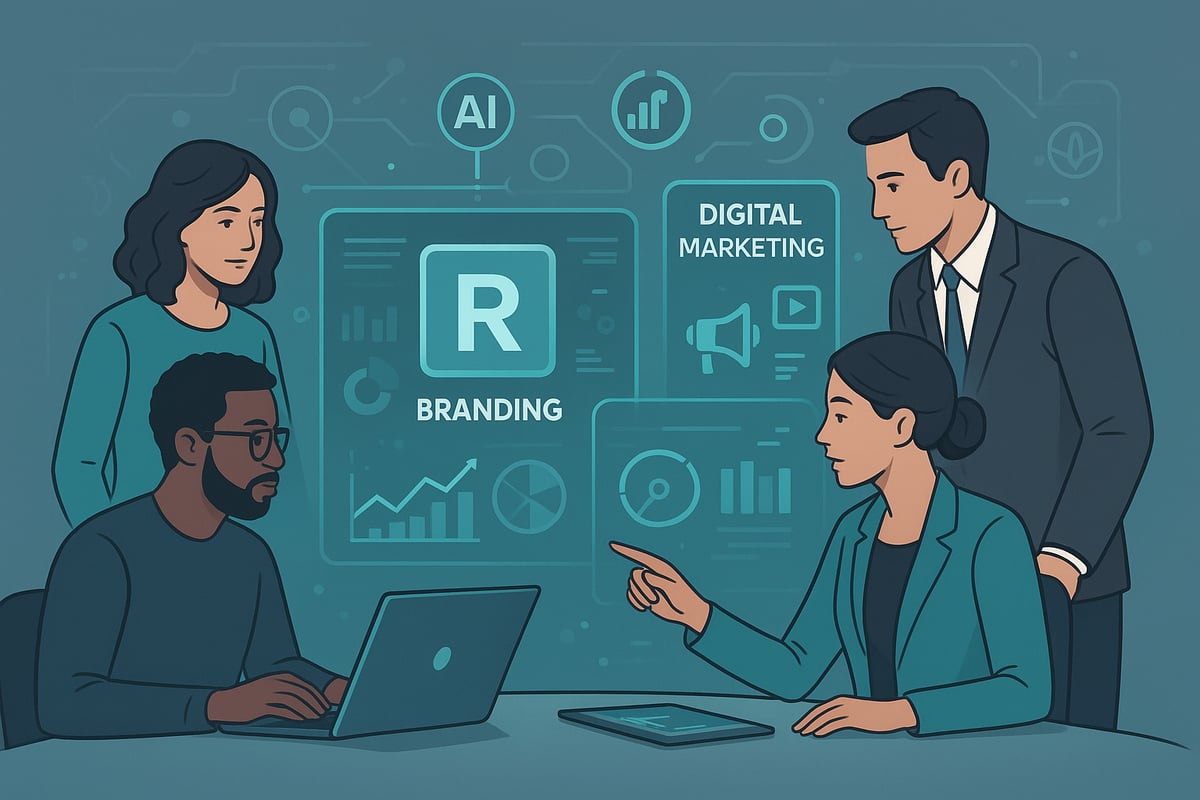
Digital marketing and branding in 2026 are defined by their convergence, with both disciplines working in tandem to create seamless, impactful experiences. Digital marketing refers to the strategies and tools used to reach audiences online, while branding shapes how those audiences perceive and emotionally connect with a business. In today’s landscape, these functions overlap more than ever, amplifying each other’s impact.
The shift from traditional to digital channels is evident. Global digital ad spend surpassed traditional media by over 70% in 2026, highlighting the significance of digital-first approaches. The primary components of digital marketing and branding include:
- Owned channels: websites, blogs, email newsletters
- Earned channels: social shares, reviews, organic mentions
- Paid channels: search ads, social ads, influencer partnerships
Customer experience is now at the heart of digital marketing and branding. Personalisation, powered by AI and automation, enables brands to deliver tailored content and services at scale. Data analytics inform every decision, from campaign optimisation to understanding customer sentiment. For example, Fiat leveraged YouTube to increase search volume by 230%, demonstrating how smart integration of branding and digital marketing can drive remarkable growth.
Emotional connection is a vital outcome. Brands that excel in digital marketing and branding foster loyalty by consistently reflecting their values and promises across every touchpoint. Integrated strategies are no longer optional—they are essential for sustainable business growth. For a deeper dive into these fundamentals, see the Digital Marketing Essentials for 2026.
The Evolving Consumer Journey
The consumer journey in 2026 is non-linear and multichannel, shaped by a blend of digital touchpoints. Customers engage with brands across social media, search engines, email, mobile apps, and emerging platforms like voice assistants and AR experiences. The path to purchase is rarely straightforward, with individuals moving back and forth between discovery, comparison, and decision phases.
Omnichannel consistency is crucial for building trust. Brands must ensure that their messaging, visuals, and tone remain unified across all digital marketing and branding channels. According to recent data, the average customer interacts with a brand on five or more devices before making a purchase, underlining the need for a cohesive presence.
Storytelling and brand values influence decisions at every stage. A compelling brand narrative, reinforced through consistent content and authentic engagement, can tip the balance in favour of conversion and loyalty. Brands that understand and adapt to these evolving journeys position themselves to win in an increasingly competitive digital environment.
Crafting a Distinctive Brand Identity for the Digital Age
Building a distinctive brand identity is the cornerstone of digital marketing and branding in 2026. As audiences become more discerning and digital-first, a brand’s ability to deliver a cohesive, memorable identity across every touchpoint can define its success. This section explores the essential elements, the power of storytelling, and the strategies required to earn and maintain trust online.
Elements of a Strong Digital Brand Identity
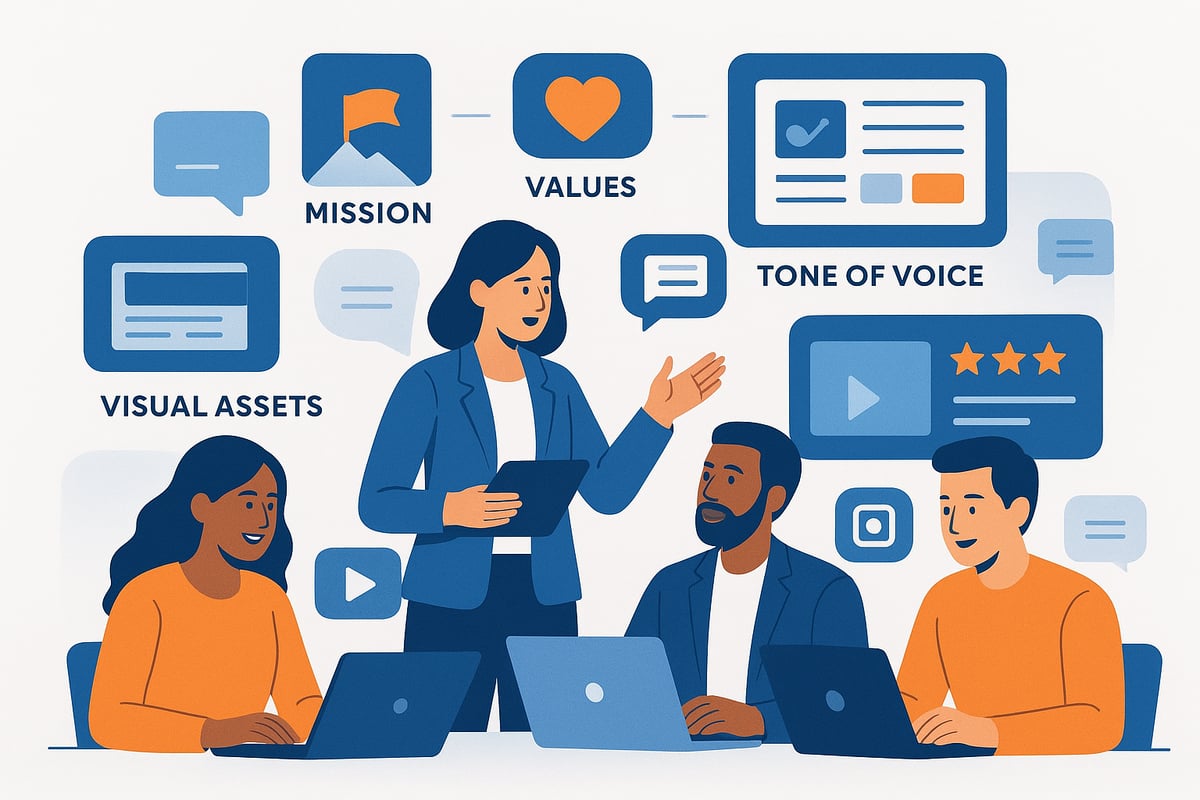
A compelling digital brand identity is more than a logo or a colour scheme. In today’s landscape, it encompasses a brand’s mission, values, tone of voice, visual identity, and promise to its audience. These elements work together to create a consistent and authentic experience, which is essential in digital marketing and branding.
Translating offline assets into digital formats requires attention to detail. Colours, typography, and imagery must be optimised for screens and accessible across platforms. A unified identity ensures that every interaction, from a website visit to a mobile app notification, reinforces the same brand values.
Authenticity and transparency are now expected by consumers. Brands that communicate honestly and show their human side build deeper emotional connections. For example, many organisations have refreshed their digital presence by aligning their messaging and visual identity to match evolving audience expectations.
Key elements of a digital brand identity include:
- A clear and inspiring mission statement
- Consistent tone of voice and language across all channels
- Strong visual assets, such as logos, colour palettes, and digital templates
- Defined brand values that guide decision-making
For a practical look at must-have assets, see Branding materials for business success, which details essentials for digital marketing and branding in 2026.
Storytelling as a Branding Superpower
Storytelling remains one of the most powerful tools in digital marketing and branding. Scientific research shows that stories trigger emotional responses and make information more memorable than facts alone. This emotional engagement is critical for building loyalty and long-term relationships.
Effective storytelling in the digital age uses multiple formats. Brands can employ narrative arcs in videos, share customer testimonials, or reveal behind-the-scenes content to humanise their organisation. These techniques bring authenticity and relatability to digital marketing and branding efforts.
Recent data highlights that brands using storytelling see higher recall rates and increased customer engagement. For instance, a well-crafted campaign that follows a real customer’s journey can inspire trust and prompt social sharing, amplifying reach across platforms.
Consider these storytelling techniques:
- Develop a brand narrative that reflects your mission and values
- Use real customer stories to demonstrate impact
- Share day-in-the-life moments from your team to foster connection
When storytelling is woven into digital marketing and branding strategies, it elevates brand awareness and encourages loyalty.
Building and Maintaining Brand Trust Online
Trust is the foundation of digital marketing and branding in 2026. With consumers faced with more options and information than ever, brands must work proactively to earn and maintain confidence online.
Consistency is key. Delivering on promises, providing reliable information, and keeping messaging aligned across all platforms are essential trust-builders. Social proof, such as reviews, testimonials, and case studies, reassures new customers and strengthens loyalty.
Managing negative feedback is equally important. Addressing concerns transparently and swiftly can turn potentially damaging situations into opportunities for brand growth. Data shows a direct correlation between trust and conversion rates, making reputation management a business imperative in digital marketing and branding.
To build and sustain trust online:
- Respond promptly and politely to feedback, both positive and negative
- Display social proof prominently on digital channels
- Maintain transparency during crises or product issues
Brands that prioritise trust, consistency, and open communication are best positioned to thrive in the dynamic world of digital marketing and branding.
Multichannel Strategies for Digital Brand Success
Today, digital marketing and branding demand a seamless approach across every channel your audience might use. Consistency, adaptability, and proactive reputation management are non-negotiable for brands looking to thrive in 2026. Building a cohesive presence means more than just being everywhere; it means delivering a unified experience that inspires trust and drives measurable results.
Ensuring Consistency Across Digital Channels
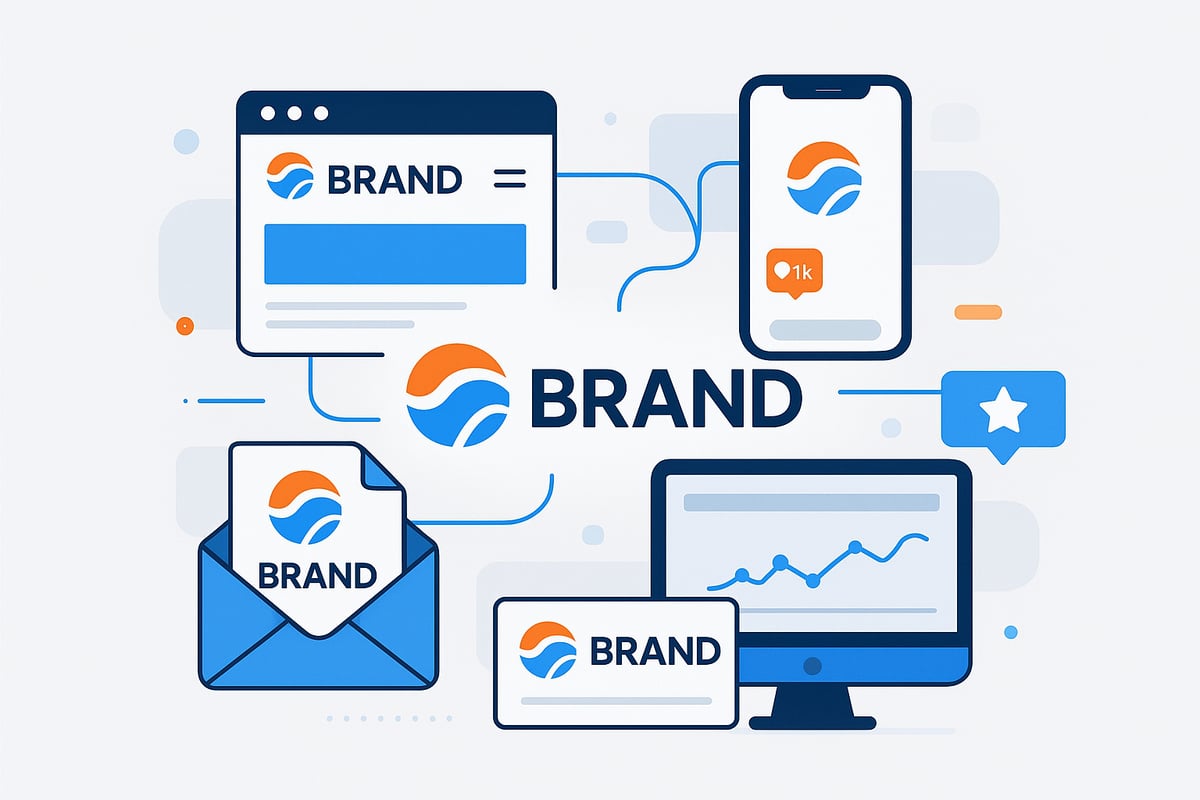
Consistency is the foundation of effective digital marketing and branding. Audiences expect brands to look, sound, and behave the same way, whether they find you on social media, your website, or an email campaign. Unified messaging and visuals reinforce your identity, making your brand instantly recognisable.
To achieve this, develop comprehensive brand guidelines that cover tone of voice, colour palettes, typography, and imagery. Enforce these standards across all digital touchpoints. When every channel echoes the same message and style, you build trust and encourage loyalty.
Research shows that consistent branding can boost revenue by up to 23%. Companies like Apple and Nike are prime examples, delivering seamless experiences from web to mobile and beyond. Their digital marketing and branding strategies ensure that every interaction strengthens their brand promise.
A simple table can help summarise the benefits:
| Benefit | Impact |
|---|---|
| Brand Recall | Higher recognition |
| Customer Trust | Improved loyalty |
| Revenue | Up to 23% increase |
Every detail matters in digital marketing and branding, so make consistency a strategic priority.
Leveraging Social Media for Brand Growth
Social media remains a powerhouse for digital marketing and branding in 2026. Each platform has its own culture and audience, so tailor your brand’s voice and content accordingly. LinkedIn demands professionalism, Instagram values creativity, while TikTok prizes authenticity and trends.
Engage in real time with your audience by responding to comments, reviews, and direct messages. This two-way communication humanises your brand and builds rapport. Foster loyalty through influencer partnerships and user-generated content, amplifying your reach and credibility.
Consider how viral campaigns can transform brand visibility. For instance, brands that encourage hashtag challenges or interactive stories often see exponential growth in followers and engagement. According to recent data, 54% of social media users discover new brands via these platforms. To unlock even greater impact, explore transformational marketing strategies that integrate social, content, and data-driven tactics for brand growth.
Digital marketing and branding efforts on social media must remain agile to keep pace with platform updates and shifting user behaviour. Stay adaptable, and your brand will stand out.
Reputation Management in the Digital Era
Online reputation is now a central pillar of digital marketing and branding. Customers research brands, read reviews, and share experiences across multiple platforms. Proactively monitor brand mentions, reviews, and sentiment using tools like Google Alerts, social listening platforms, and reputation dashboards.
Adopt a dual approach: proactively address potential issues before they escalate, and react quickly to negative feedback with transparency and empathy. Brands that respond thoughtfully to criticism often turn detractors into advocates. For example, a well-crafted public apology or a personalised response can restore trust and even boost positive sentiment.
Effective reputation management involves regular audits of your digital footprint and ongoing analysis of customer feedback. Data shows that 88% of consumers trust online reviews as much as personal recommendations. In digital marketing and branding, your online reputation can directly influence purchasing decisions and long-term loyalty.
In summary, mastering multichannel strategies is essential for digital marketing and branding success. Consistency, social engagement, and proactive reputation management will set your brand apart in the digital age.
Content Marketing and SEO: The Engines of Brand Visibility
Content marketing and SEO are now inseparable forces powering digital marketing and branding success in 2026. As audiences become more selective, brands must deliver value, relevance, and trust at every touchpoint. The right blend of content and search strategies not only elevates visibility but also reinforces brand authority, cultivates loyalty, and drives measurable business growth.
Developing a Content Marketing Strategy for 2026
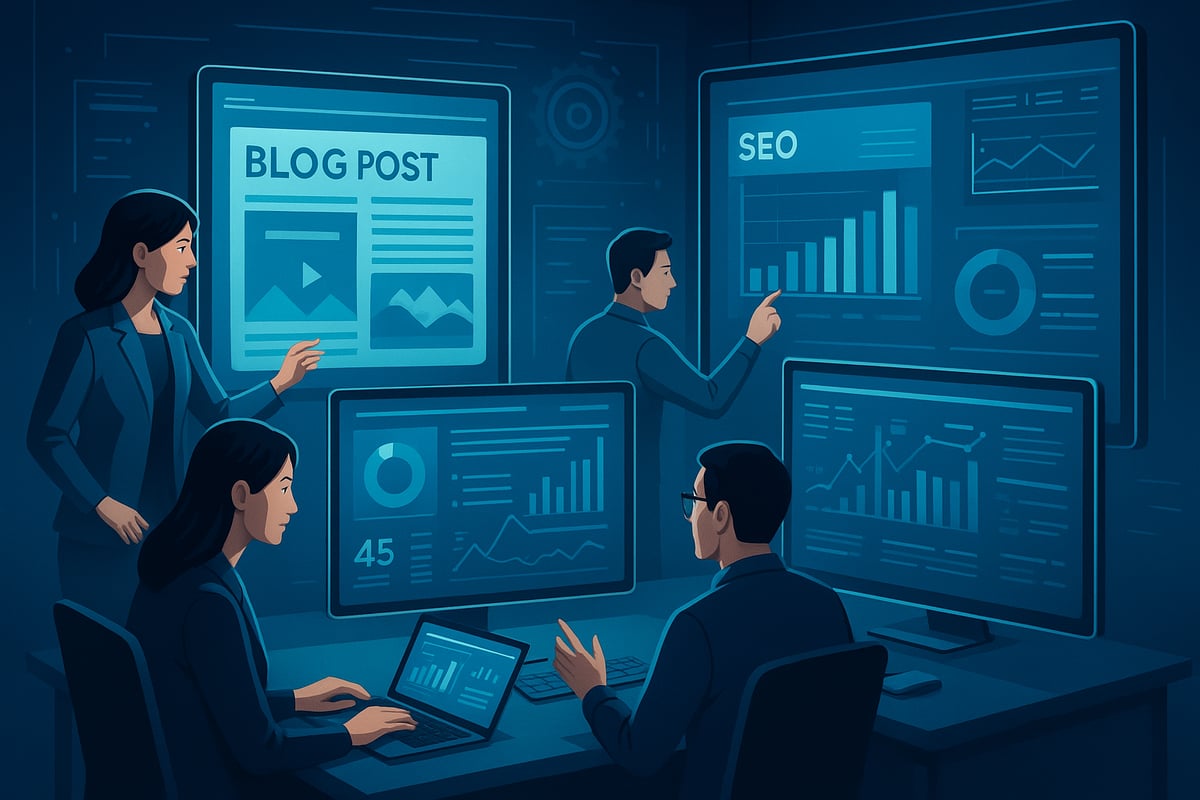
Building a robust content marketing plan is fundamental to digital marketing and branding success. In 2026, audiences expect content that is timely, personalised, and deeply aligned with their interests. Brands must diversify their content mix to engage users across platforms and formats.
Common content types include:
- Blogs and in-depth articles
- Podcasts and audio series
- Video content, including live streams and interactive video
- Email newsletters and personalised campaigns
- Interactive content such as quizzes, polls, and calculators
- Emerging formats like AR experiences and shoppable content
Personalisation is now standard. AI tools help brands tailor messaging, recommend content, and automate delivery based on real-time data. This not only increases engagement but also strengthens the emotional connection between brand and audience. For example, a retail brand using AI-driven dynamic content saw a 30% uplift in customer retention, demonstrating the tangible benefits of modern content marketing.
Aligning every piece of content with brand values and audience needs is essential. Content should reinforce the brand’s mission, tone of voice, and visual identity while addressing the challenges and aspirations of its target market. A consistent approach ensures recognition and builds trust.
The return on investment for content marketing is impressive. Studies show that brands prioritising strategic content achieve up to three times more leads per pound spent compared to traditional advertising. Moreover, 70% of consumers say branded content increases their purchase intent, highlighting the direct impact on business outcomes.
By embedding content marketing within the broader digital marketing and branding ecosystem, organisations position themselves for sustainable growth and long-term loyalty.
Integrating Branding with SEO
A strong SEO strategy is inseparable from effective digital marketing and branding. In 2026, search engines increasingly reward brands with clear, consistent signals of authority and trust. Brand signals—such as reputation, social proof, and quality content—play a crucial role in organic rankings.
Brands must balance branded and non-branded keyword strategies. Targeting branded keywords (including the company name, products, or unique offerings) helps capture high-intent traffic and reinforces brand recall. Meanwhile, optimising for non-branded keywords expands reach to new audiences seeking solutions.
Local SEO is vital for businesses with a physical presence. Ensuring accurate listings, consistent NAP (name, address, phone) data, and positive reviews enhances visibility in local searches. For service-based brands, owning local and branded search terms can significantly increase inbound leads.
Earning backlinks remains a pillar of SEO success. Authoritative, branded content attracts links from reputable sources, boosting both search rankings and brand reputation. As an example, a B2B company launched a research report that generated over 100 quality backlinks, lifting its domain authority and organic traffic by 40%.
To maximise results, brands should adopt integrated SEO solutions that align with their digital marketing and branding goals. For a deeper dive into practical strategies, explore SEO solutions for business websites.
Ultimately, the synergy between branding and SEO drives sustainable visibility, credibility, and growth in a crowded digital landscape.
Measuring Digital Branding Success and ROI
In today’s competitive landscape, measuring the impact of digital marketing and branding is essential for sustainable growth. Organisations must go beyond vanity metrics and focus on actionable data that reflects true brand performance. By tracking the right indicators, brands can adapt strategies, optimise campaigns, and demonstrate real business value.
Key Performance Indicators (KPIs) for Digital Branding
Selecting the right KPIs is crucial for evaluating digital marketing and branding effectiveness. Core metrics include brand awareness, engagement rates, sentiment analysis, share of voice, and customer loyalty. Each provides unique insights into how audiences perceive and interact with your brand online.
To measure these areas, brands rely on a mix of tools. Google Analytics tracks website engagement and conversion trends. Social listening platforms monitor conversations across channels, while dedicated sentiment trackers assess the mood behind mentions and reviews. Setting clear benchmarks for each campaign is essential. For example, a brand may aim to increase share of voice by 15% or boost positive sentiment by 20% within a quarter.
A practical approach involves establishing baseline metrics, monitoring progress, and making data-driven adjustments. Consider the following table:
| KPI | Tool Example | Why It Matters |
|---|---|---|
| Brand Awareness | Google Analytics | Gauges reach and visibility |
| Engagement Rate | Social Media Insights | Measures audience interaction |
| Sentiment | Sentiment Trackers | Reveals public perception |
| Share of Voice | Social Listening | Compares brand presence to competitors |
| Customer Loyalty | CRM Analytics | Tracks retention and advocacy |
Recent data highlights that digital marketing and branding strategies rooted in KPI measurement are more likely to drive growth. According to Digital Branding Statistics 2025, brands that prioritise metrics like engagement and sentiment see stronger business outcomes. This evidence reinforces the need for a robust, data-led measurement framework.
Analysing Customer Engagement and Brand Sentiment
Understanding engagement and sentiment is a cornerstone of digital marketing and branding success. Brands must look beyond clicks and impressions, focusing on how customers interact across every channel. To do this, organisations analyse actions like comments, shares, mentions, and time spent with branded content.
Sentiment analysis tools help brands understand whether feedback is positive, neutral, or negative. By tracking these trends, businesses can quickly identify shifts in perception and address concerns before they escalate. For instance, a sudden drop in positive sentiment might prompt a review of messaging or service delivery.
Feedback, whether from social media, reviews, or surveys, offers valuable insights for refining brand messaging and digital experiences. Leading organisations use this data to pivot their digital marketing and branding approach, ensuring campaigns remain relevant and effective.
A notable example is a retailer that noticed declining engagement on a flagship product. By analysing sentiment and direct feedback, they adjusted their content strategy, resulting in a 25% lift in positive mentions within two months. This demonstrates how data-driven analysis can directly impact brand health and customer loyalty.
Effective measurement and analysis empower brands to remain agile, responsive, and positioned for long-term success in digital marketing and branding.
The Future of Digital Marketing and Branding: Trends for 2026 and Beyond
The future of digital marketing and branding is being shaped by innovation, shifting consumer values, and the relentless pace of technological change. As we look to 2026 and beyond, businesses must adapt quickly to stay ahead. Let us explore what lies on the horizon and how your brand can thrive in this ever-evolving landscape.
Emerging Technologies Shaping Digital Branding
Artificial intelligence, machine learning, and automation are revolutionising digital marketing and branding. These technologies drive hyper-personalisation, real-time campaign optimisation, and predictive analytics, allowing brands to tailor messages for every audience segment. Immersive experiences, such as augmented reality, virtual reality, and the metaverse, are enabling brands to build deeper emotional connections by creating interactive environments where customers engage directly with products and stories.
A key trend is the rise of video-commerce, where shoppable videos blend content and transactions seamlessly. For a deeper dive into this trend and how it is changing the landscape, explore the Video-Commerce Boom in 2026. Voice search, chatbots, and conversational marketing are also becoming mainstream, making brand interactions more accessible and efficient. According to industry forecasts, over 75% of businesses will integrate at least one form of AI-driven automation into their digital marketing and branding strategies by 2026.
| Technology | Adoption Rate (2026) | Impact on Branding |
|---|---|---|
| Generative AI | 80% | Content personalisation |
| AR & VR | 60% | Immersive engagement |
| Video-Commerce | 70% | Direct conversions |
| Voice Assistants | 65% | Conversational marketing |
Evolving Consumer Expectations and Ethical Branding
Consumers in 2026 expect brands to go beyond traditional digital marketing and branding. Data privacy, transparency, and ethical practices have become fundamental requirements. People are demanding greater control over their personal information, while regulations such as GDPR and new digital advertising standards are reshaping how brands collect and use data.
Sustainability and social responsibility are now clear differentiators for brands. Organisations that prioritise eco-friendly practices, inclusivity, and fair business operations are earning deeper consumer trust and loyalty. Leading brands are not only responding to regulatory changes but also proactively shaping the conversation around digital ethics. For instance, several global companies now publish annual transparency reports and involve customers in their sustainability initiatives. The result is a stronger, more authentic connection between digital marketing and branding and the values of modern audiences.
Preparing for the Next Wave of Digital Transformation
To thrive in this dynamic era, organisations must build agile, adaptable digital marketing and branding teams. Continuous learning and upskilling are essential, as emerging tools and platforms require new expertise and strategic thinking. Investing in cross-functional training and fostering a culture of experimentation helps brands stay ahead of industry shifts.
Best practices for future-proofing your brand include scenario planning, rapid prototyping, and leveraging data to inform decision-making. A notable example is a leading retailer that embraced digital innovation by integrating AI-powered chatbots, immersive AR product demos, and real-time analytics dashboards. This approach allowed them to pivot quickly in response to changing market demands and elevate their digital marketing and branding presence. By prioritising agility and a forward-thinking mindset, your organisation can confidently navigate the next wave of digital transformation.