

Struggling to make your brand stand out online in 2026? The digital world is more crowded than ever, making it tough to capture real attention. Creative digital marketing gives you the edge you need to break through the noise and connect with your audience on a deeper level.
This guide is designed for marketing leaders, business owners, and digital professionals ready to unlock new growth and stay ahead of the competition. You will discover actionable strategies, innovative tools, and real examples to master creative digital marketing.
Explore what creative digital marketing means today, why it matters for 2026, the essential elements of a winning strategy, step-by-step planning, emerging trends, and how to measure your success. Read on to discover how you can achieve higher engagement, loyalty, and ROI by making creativity your secret weapon.
What is Creative Digital Marketing in 2026?
Standing out online in 2026 demands more than just visibility. Brands are shifting towards creative digital marketing to forge deeper connections, build trust, and drive measurable results in a crowded digital space.

Defining Creative Digital Marketing
Creative digital marketing in 2026 is the art and science of blending innovative storytelling, design, and technology to help brands stand out. It goes beyond traditional ads, aiming to create interactive, memorable, and emotionally resonant experiences that capture attention and inspire action.
This approach relies on merging data-driven insights with imaginative execution. By analysing audience behaviour, brands can craft campaigns that not only inform but also entertain and engage. For example, immersive experiences such as AR filters or interactive quizzes are becoming standard tools to boost participation.
In an era of digital saturation, creativity is the engine that propels brands above the noise. Creative digital marketing is no longer optional. It is essential for survival and growth, as it helps brands build trust and long-term equity rather than chasing only short-term clicks.
Leading brands now use creative digital marketing to foster loyalty and leave a lasting impression. Studies show brands with creative campaigns achieve up to 75% higher engagement rates, making creativity a measurable asset.
Evolution of Creative Marketing Approaches
The past decade has seen creative digital marketing evolve rapidly. Brands have moved from static ads to personalised, interactive, and user-generated content, recognising that consumers crave authenticity and relevance.
AI and automation now play a pivotal role in scaling creative output while maintaining quality. AI-powered design tools enable rapid content creation, allowing marketers to customise visuals and messages for different audience segments with unprecedented speed.
The rise of new digital channels, such as TikTok and AR/VR platforms, has redefined what creativity means in marketing. Brands are experimenting with formats that invite participation, such as interactive stories and real-time polls.
Creative digital marketing today is about adapting to new technologies, embracing automation, and finding innovative ways to connect with audiences. These shifts ensure messages remain fresh, engaging, and aligned with ever-changing consumer expectations.
Why Creativity is the Key Differentiator
Algorithm changes increasingly prioritise engaging, creative content over generic messaging. Visual storytelling and strong brand narratives tap into psychology, making campaigns more memorable and effective.
A powerful example is a campaign that achieved viral status through humour and emotional resonance, driving wide reach and deep engagement. For more inspiring examples, see the Top digital campaigns for 2026.
The impact of creative digital marketing is clear:
| Metric | Creative Campaigns | Standard Campaigns |
|---|---|---|
| Engagement Rate Increase | Up to 75% | Baseline |
| Brand Recall Uplift | 335% | Baseline |
In 2026, creative digital marketing is the critical force behind higher engagement, greater loyalty, and superior brand recall. It is the ultimate differentiator in a world where attention is scarce.
Why Creative Digital Marketing Matters in 2026
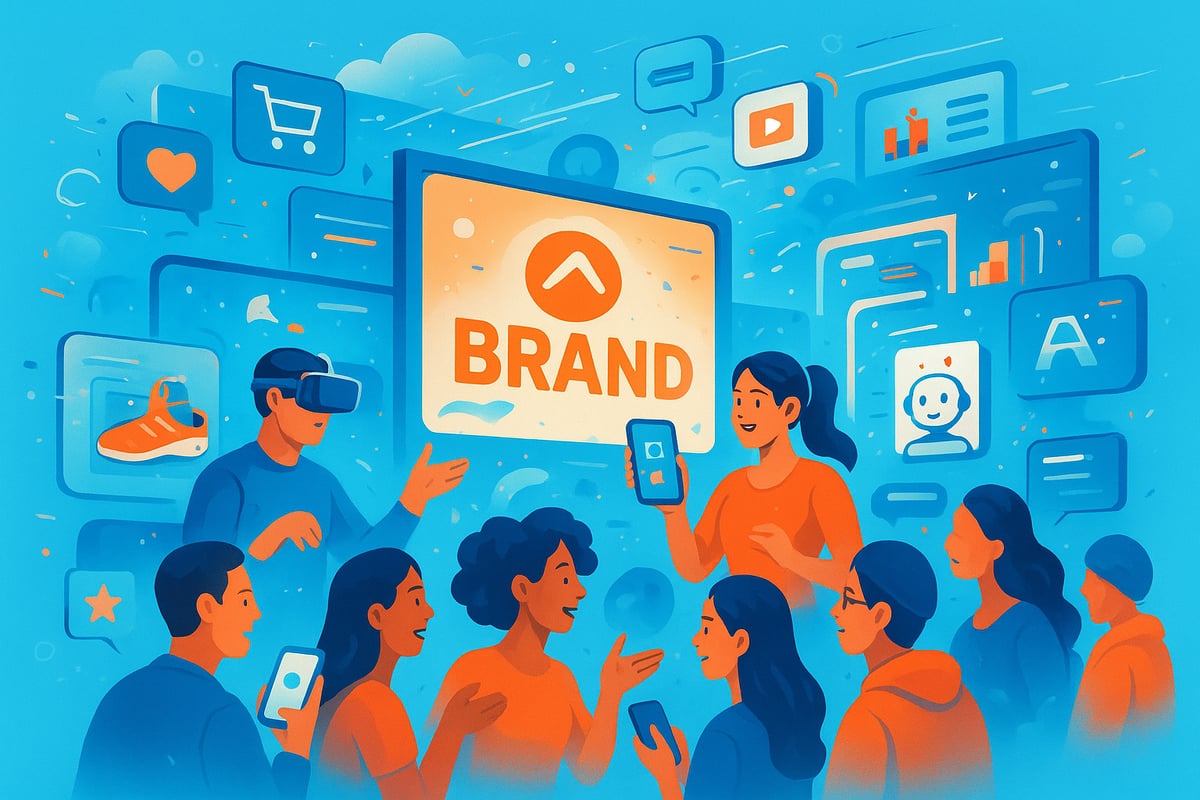
The digital landscape in 2026 is more crowded than ever. Brands face an overwhelming battle for attention, with consumers bombarded by endless ads and content streams. In this environment, creative digital marketing is the decisive factor that allows organisations to break through the noise and forge real connections.
The Competitive Digital Landscape
Competition for digital attention is intense. With every industry investing in online presence, only those who embrace creative digital marketing can truly differentiate themselves. Traditional advertising is no longer enough. Brands are now using innovative tactics like user-generated content, influencer partnerships, and interactive campaigns to appear authentic and relevant.
Consumers are quick to tune out generic messaging. Creative digital marketing enables brands to capture interest with unique experiences, emotional narratives, and visual appeal. For a deeper understanding of foundational strategies that underpin creative approaches, see this guide to essential digital marketing strategies.
The Shift in Consumer Expectations
Modern consumers expect brands to deliver visually compelling, emotionally relevant, and interactive experiences. Static, one-way marketing is being replaced by creative digital marketing that invites participation and dialogue. The rise of short-form video, AR filters, and interactive social content signals this shift.
People crave genuine connections and value brands that engage them creatively. As a result, creative digital marketing is no longer a luxury but a necessity for building trust and lasting relationships.
Impact on Brand Growth and ROI
Data shows creative digital marketing delivers measurable value. Creative campaigns typically see a 50% reduction in cost per lead and a 31% increase in brand uplift compared to standard efforts. These strategies drive higher engagement, deeper loyalty, and improved conversion rates.
Investing in creative digital marketing transforms marketing from a cost centre into a growth engine for organisations seeking measurable outcomes.
The Role of Technology in Creativity
AI, automation, and advanced analytics are revolutionising creative digital marketing. Marketers can now personalise content at scale, automate campaign optimisation, and generate dynamic creative assets rapidly.
Personalised video campaigns powered by AI help brands connect on an individual level, setting new benchmarks for engagement. Technology is not replacing creativity, but enabling it to reach new heights across digital channels.
Risks of Ignoring Creative Innovation
Brands that neglect creative digital marketing risk losing relevance. Declining engagement, wasted ad spend, and eroding brand equity are real dangers for those who fail to innovate.
In 2026, creative digital marketing is a future-proofing strategy. Organisations that embrace it will thrive, while others may struggle to survive in a rapidly evolving digital world.
Core Elements of a Winning Creative Digital Marketing Strategy
Building a successful creative digital marketing strategy in 2026 relies on mastering several core elements that consistently capture attention, foster engagement, and drive results. These elements are not isolated tactics, but interconnected pillars that underpin standout campaigns. By weaving together visuals, storytelling, community, personalisation, and immersive experiences, brands can turn creative digital marketing into a true growth engine.

Visual Content & Design
In creative digital marketing, visual content and design are the most immediate tools for grabbing consumer attention. Humans process visuals 60,000 times faster than text, making high-quality design essential for communicating messages quickly and memorably.
Types of visual content that dominate in 2026 include:
- Infographics that make complex data accessible
- Animations and motion graphics for dynamic storytelling
- Interactive media that invites audience participation
Consistent, brand-aligned visuals amplify reputation and encourage sharing. Brands that prioritise visual creativity see up to 2.3 times more engagement on social channels. For insights on using creativity to elevate your website and content, explore Creative content for website design.
Ultimately, visual excellence in creative digital marketing is the foundation for all other elements, setting the stage for deeper engagement.
Storytelling & Branding
Storytelling sits at the heart of creative digital marketing, transforming ordinary messages into memorable narratives that build lasting brand loyalty. Emotional connection is the key, and stories are the bridge.
Effective brand storytelling relies on three core elements:
- Authenticity: Be genuine and transparent
- Relatability: Connect with real customer experiences
- Purpose: Articulate your brand’s mission clearly
A standout example is Movember’s campaign, which drove over 4 million views and more than 330,000 signups through engaging, purpose-driven stories. When creative digital marketing is rooted in narrative, audiences remember your brand and are inspired to take action.
Stories also make brands human, encouraging trust and advocacy in an increasingly digital world.
User-Generated Content & Community Engagement
User-generated content (UGC) is a powerful driver of authenticity and trust in creative digital marketing. When customers create and share content on your behalf, it provides social proof and builds a sense of community.
Popular UGC strategies include:
- Hashtag challenges on platforms like Instagram or TikTok
- Customer testimonials and reviews
- Community features and competitions
UGC campaigns often outperform branded content, generating up to four times higher click-through rates. In creative digital marketing, fostering an active community transforms customers into brand advocates, multiplying the reach and impact of your campaigns.
Encouraging participation also strengthens brand loyalty, creating lasting relationships beyond a single campaign.
Personalisation & AI-Driven Creativity
Personalisation is a defining feature of creative digital marketing in 2026. Leveraging data and AI, brands now deliver hyper-relevant experiences tailored to individual preferences.
Key tools and techniques include:
- Dynamic content that adapts to user behaviour
- AI-powered copywriting and automated video production
- Personalised visuals, such as Netflix’s custom thumbnails
Personalisation not only increases relevance but also drives higher conversion rates. By integrating AI, creative digital marketing teams can scale their output without sacrificing quality or originality.
When creativity is combined with data-driven insights, campaigns become more effective, efficient, and impactful.
Experiential Marketing & Gamification
Immersive experiences are redefining creative digital marketing by turning passive audiences into active participants. Experiential marketing leverages technology to create memorable brand interactions online.
Examples of experiential tactics:
- AR product try-ons for ecommerce brands
- Branded mini-games that entertain while educating
- Virtual events that foster real-time engagement
Gamification is also on the rise, with 70% of marketers reporting higher engagement from campaigns that include interactive elements. In creative digital marketing, experiences are the ultimate differentiator, forging deeper emotional bonds and inspiring brand advocacy.
By embracing these core elements, brands can transform their creative digital marketing strategy into a competitive advantage for 2026.
Step-by-Step Guide: Building a Creative Digital Marketing Strategy for 2026
Building a successful creative digital marketing strategy in 2026 requires a structured, agile approach. Each step is designed to maximise your brand’s ability to stand out, engage, and deliver measurable results. Let’s walk through the seven essential steps for future-proof success.
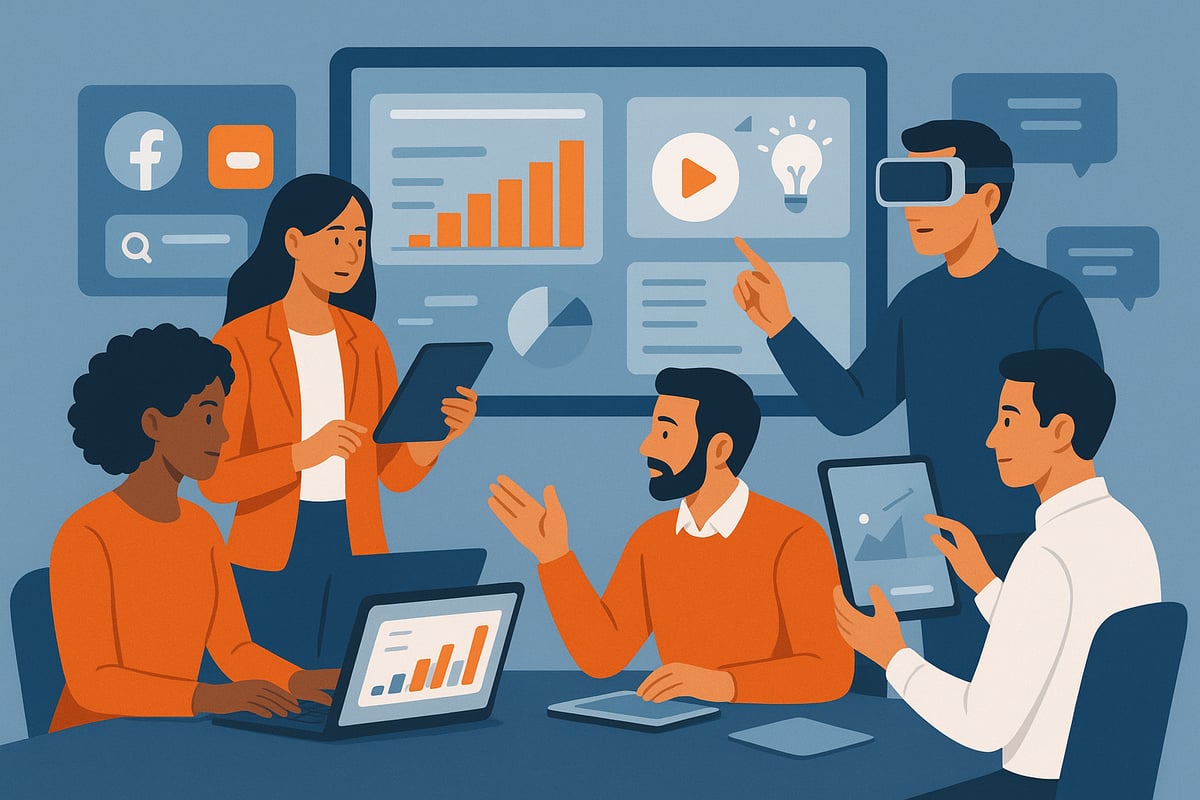
Step 1: Define Clear Objectives and Audience
Start by setting measurable goals for your creative digital marketing initiatives. Objectives could include increasing brand awareness, boosting engagement, driving conversions, or building loyalty.
Develop detailed buyer personas using analytics, surveys, and market research. Segment your audience based on demographics, behaviours, and preferences. This ensures your creative digital marketing efforts resonate with the right people.
For example, a B2B SaaS business might target IT managers with tailored messages, while a consumer brand focuses on Gen Z’s values and media habits. Clear objectives and audience profiles provide the foundation for a focused, effective strategy.
Step 2: Audit Current Digital Presence & Creative Assets
Conduct a comprehensive review of your website, social channels, content library, and brand consistency. Identify gaps in creative digital marketing assets and areas where your brand could be more innovative.
Use benchmarking tools and industry reports to compare your digital presence against competitors. Look for outdated visuals, inconsistent messaging, or missed opportunities for interactive content.
For instance, if your competitors excel at video explainers or AR filters, note these as areas for creative improvement. This audit helps you prioritise upgrades and ensures your creative digital marketing approach is built on solid ground.
Step 3: Ideate and Plan Creative Campaigns
Brainstorm campaign concepts that align with your brand’s purpose, values, and audience interests. Encourage cross-functional teams to contribute ideas, blending storytelling, visual design, and interactive experiences.
Use creative workshops, mind maps, or idea boards to foster innovation. Plan campaigns that leverage new formats such as AR filters, live streams, or influencer collaborations. Refer to resources like Transformational marketing strategies for inspiration on cutting-edge tactics.
Map out campaign timelines, channels, key messages, and creative assets required. Effective planning ensures your creative digital marketing campaigns are both original and achievable.
Step 4: Select the Right Digital Channels
Evaluate which platforms best suit your creative digital marketing goals and audience behaviour. Consider the strengths of each channel—social media for engagement, email for nurturing, search for intent, and AR/VR for immersive experiences.
For example, use Instagram Reels or TikTok for short-form video targeting Gen Z, while LinkedIn is ideal for B2B storytelling. Analyse performance data to determine where your audience is most active and receptive.
Selecting the right mix of channels maximises your creative digital marketing reach and impact, allowing you to deliver tailored content at scale.
Step 5: Leverage Technology and Tools
Harness AI-powered tools, automation platforms, and analytics to streamline creative production and personalisation. AI can generate content variations, automate A/B testing, and deliver insights on what resonates with your audience.
Popular tools include dynamic content platforms, AI copywriting assistants, and video automation software. For example, automated A/B testing helps you optimise headlines, visuals, and calls-to-action in real time.
Integrating technology into your creative digital marketing workflow boosts efficiency, enabling you to scale creativity without sacrificing quality.
Step 6: Implement, Monitor, and Optimise
Launch your creative digital marketing campaigns with clear KPIs and robust tracking mechanisms. Use dashboards to monitor engagement, reach, conversions, and other key metrics in real time.
Gather insights by analysing which creative elements drive the most interaction. Adjust tactics, messaging, or creative assets based on data to improve performance.
For example, if interactive polls outperform static posts, double down on engagement-driven formats. Continuous monitoring and optimisation ensure your creative digital marketing delivers sustained results.
Step 7: Iterate and Scale What Works
Review campaign outcomes, collect audience feedback, and identify high-performing creative digital marketing tactics. Use these insights to refine your approach and scale successful strategies across new channels or markets.
Repurpose top-performing user-generated content for paid ads, or expand a viral campaign into a broader initiative. Foster a culture of experimentation where learning from both wins and setbacks is valued.
Iterative improvement is the engine of long-term creative digital marketing success, enabling your brand to stay agile and ahead of industry trends.
Emerging Trends and Future-Proof Strategies in Creative Digital Marketing
Staying ahead in creative digital marketing means being prepared for rapid change. The trends shaping 2026 are already transforming how brands connect, engage, and convert audiences. By understanding these future-proof strategies, you can ensure your marketing remains effective and competitive.
AI-Powered Content Creation and Automation
Artificial intelligence is at the heart of the next evolution in creative digital marketing. AI now generates everything from copy to visuals, enabling brands to personalise experiences on a massive scale.
For example, AI can rapidly create hundreds of tailored ad variants, test which ones perform best, and optimise campaigns in real time. This not only increases efficiency but also opens up new creative possibilities. Marketers are using AI to automate content production, freeing up their teams to focus on strategy and innovation.
According to recent insights, 80% of marketers expect to increase their use of AI by 2026. To dive deeper into how automation is reshaping creative workflows, see this AI-Powered Content Creation & Automation guide.
Augmented Reality (AR) & Virtual Reality (VR)
Augmented reality and virtual reality are redefining how brands deliver creative digital marketing experiences. With AR, users can try products virtually, view interactive demos, or participate in branded games—all from their mobile devices.
E-commerce brands are leading the way, using AR for virtual try-ons and immersive catalogues. VR, meanwhile, enables brands to host virtual events or offer guided tours, creating memorable interactions that drive brand loyalty.
Recent campaigns using AR and VR report up to 200% higher engagement rates compared to traditional formats. These technologies are making creative digital marketing more engaging and impactful than ever.
Voice Search & Interactive Content
The rise of voice search is changing how people discover and interact with brands online. By 2026, it is expected that 55% of households will own smart speakers, making voice-optimised content essential for creative digital marketing.
Brands are developing interactive audio ads, voice-activated quizzes, and conversational experiences designed specifically for smart devices. This shift encourages marketers to think creatively about how their content sounds, not just how it looks.
Interactive content, from polls to gamified experiences, keeps audiences engaged and encourages participation. As voice and interactivity converge, creative digital marketing will need to be more dynamic and adaptable.
Short-Form Video Dominance
Short-form video is dominating the creative digital marketing landscape. Platforms like TikTok, Instagram Reels, and YouTube Shorts have made it possible for brands to tell compelling stories in less than 60 seconds.
Creative approaches such as rapid editing, trend participation, and humour help videos stand out and go viral. For instance, one brand achieved 1.4 million views with a 93% view rate using a well-crafted short-form campaign.
Short-form videos’ ability to quickly capture attention and drive high engagement makes it a must-have for any creative digital marketing strategy.
Data-Driven Creativity & Predictive Analytics
Data is now inseparable from creativity in digital marketing. Marketers use advanced analytics to inform every stage of campaign development, from ideation to execution. Predictive modelling helps identify emerging content trends, allowing brands to stay ahead of the curve.
For creative digital marketing, this means campaigns are not only imaginative but also backed by real-time insights. The synergy between data and creativity ensures that content remains relevant, effective, and measurable.
Brands that master this blend consistently outperform their competition, proving that data-driven creativity is the new standard for success.
Sustainability and Social Responsibility in Creative Campaigns
Consumers increasingly expect brands to take a stand on social and environmental issues. Creative digital marketing campaigns now highlight sustainability, ethical practices, or social impact as core messages.
Research shows that 73% of consumers prefer brands aligned with their values. Successful campaigns often feature storytelling and visuals that demonstrate a genuine commitment to these causes.
By integrating purpose-driven messages, brands can foster deeper trust, loyalty, and advocacy within their communities.
Measuring Success: KPIs and Analytics for Creative Digital Marketing
In the fast-paced world of creative digital marketing, measuring success is vital. With evolving platforms and consumer behaviours, knowing which metrics matter and how to track them allows marketers to prove ROI and refine strategies for continued growth.
Key Performance Indicators (KPIs) for Creative Campaigns
Effective creative digital marketing relies on clear KPIs to evaluate performance. Engagement metrics include likes, shares, comments, video views, and dwell time, revealing how audiences interact with your content. Brand metrics such as recall, sentiment, and Net Promoter Score (NPS) measure perception and loyalty. Conversion metrics like click-through rate (CTR), cost per acquisition (CPA), sales, and lead generation tie creative efforts to tangible results.
| Metric Type | Example Metrics |
|---|---|
| Engagement | Likes, Shares, Comments, Views |
| Brand | Recall, Sentiment, NPS |
| Conversion | CTR, CPA, Sales, Leads |
Recent campaigns have demonstrated up to 335% brand recall and a 50% reduction in cost per lead through creative digital marketing. According to AI Marketing Statistics for 2026, brands leveraging AI in marketing see a 22% higher ROI and 47% better click-through rates.
Tools for Tracking Engagement and ROI
Robust analytics tools are essential for monitoring the impact of creative digital marketing campaigns. Popular platforms include Google Analytics 4 for site and content engagement, social media insights for real-time feedback, and heatmaps to visualise user behaviour. Creative analytics platforms offer A/B testing and in-depth video performance tracking.
- Google Analytics 4: Tracks interactive content and conversion pathways.
- Social insights: Measures engagement, reach, and sentiment.
- Heatmaps: Identify hotspots for user interaction.
For example, using GA4, you can set up event tracking for custom interactions:
gtag('event', 'video_play', {'event_category': 'Engagement', 'event_label': 'Campaign Video'});
Choosing the right tools ensures every aspect of creative digital marketing is measurable.
A/B Testing and Iterative Improvement
Continual improvement is at the heart of creative digital marketing. A/B testing allows marketers to compare variations in copy, visuals, and calls to action. By running controlled experiments, brands can determine what resonates best with their audience and optimise performance.
- Test headlines, imagery, and CTAs.
- Analyse results to identify winning combinations.
- Iterate quickly for sustained growth.
AI-powered platforms are increasingly used to automate and scale A/B testing, providing real-time insights on campaign effectiveness. As highlighted in AI’s Impact on Digital Marketing Strategies, AI is expected to drive 70% of advertising workflows by 2026, accelerating optimisation cycles for creative digital marketing.
Attribution and Reporting for Creative Campaigns
Understanding the true impact of creative digital marketing requires effective attribution and reporting. Multi-touch attribution models track how different creative assets contribute to conversions across channels. By mapping out each customer touchpoint, marketers gain a clearer picture of what drives results.
Brands using advanced attribution see up to 30% higher marketing ROI. Regular reporting helps identify top-performing content and justifies investment in future creative campaigns. The right attribution strategy ensures credit is given where it is due, supporting data-driven decision-making.
Benchmarking Against Industry Leaders
Benchmarking allows marketers to compare their creative digital marketing performance with industry leaders. Utilising reports like Vidico’s State of Creative provides valuable performance baselines. By tracking metrics against top performers, brands can set realistic goals and identify opportunities for improvement.
- Compare engagement and conversion rates.
- Analyse creative campaign structures.
- Set benchmarks for future growth.
Regular benchmarking ensures your creative digital marketing stays competitive and aligned with industry standards.
D Harvey Media: Your Partner for Creative Digital Marketing Success
D Harvey Media is a trusted UK-based studio delivering creative digital marketing solutions tailored for ambitious brands. Their expertise spans website development, SEO, analytics, digital communications, and Microsoft 365 management, ensuring every client’s digital presence is both innovative and robust.
As a long-term strategic partner, D Harvey Media blends creativity and technical skill to drive measurable results. Their services include:
- Modern website design and development
- Ongoing technical support and digital operations
- Content planning and optimisation
- SEO and analytics setup
National organisations and public sector projects rely on D Harvey Media for clear communication and lasting outcomes. For businesses ready to achieve standout success in creative digital marketing, their tailored strategies ensure a lasting impact in 2026.